

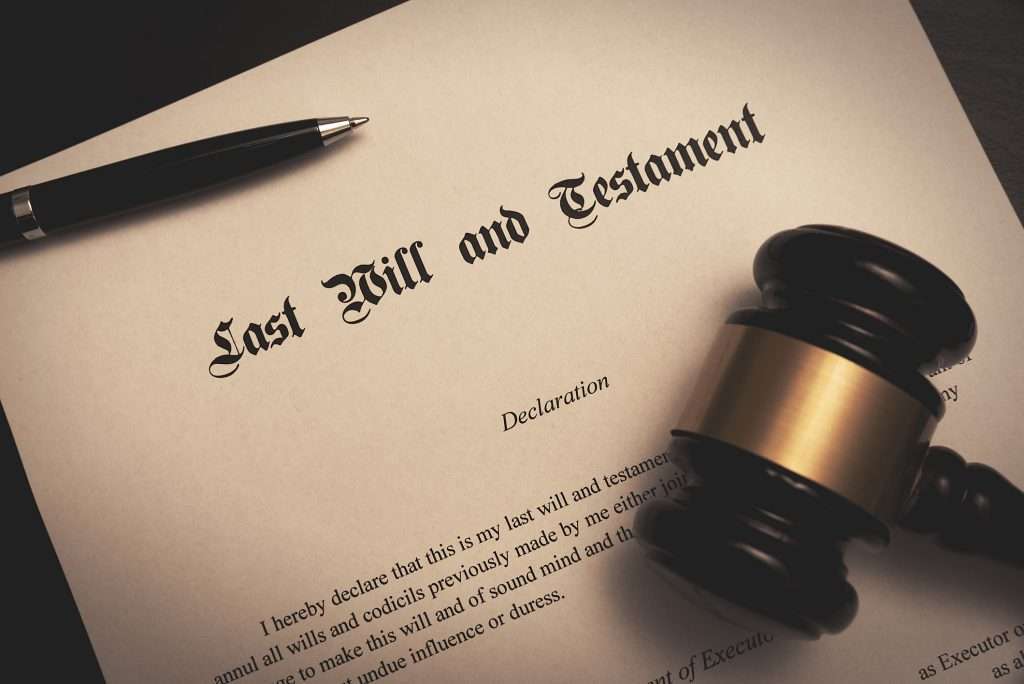
When a last will and testament is created, the creator of the will, known as the “Testator,” appoints a person to administer the estate. That person is the “Executor.” Often, the Testator and the Executor are different people. However, once the Testator passes away, the Executor must take over and carry out the wishes of the Testator as specified in the will.
So, let’s say you’re in this position. What do you do?

Review the Will
The first thing you need is a copy of the will. To effectively act on behalf of the estate, you’ll need to know what it says. Specifically, you’ll need to understand the following:
- Your powers and duties as executor
- The beneficiaries named in the will
- How the estate assets must be distributed
Depending on how the will was drafted, it may be difficult to ascertain any of the above. Therefore, it is generally advised that you consult with an attorney to ensure proper compliance with the will’s terms.
Identify and Inventory Estate Assets
The estate only controls assets that are owned by the deceased at the time of their death and are not otherwise pre-designated to pass automatically during their lives. Therefore, it is important to know what is in the estate to effectively administer it. There may not be a comprehensive list of assets along with the will. To identify the assets, you may need to conduct some investigation.
If the estate includes real property, there will be deeds reflecting ownership. For financial accounts, statements will indicate the account holder’s name. Personal items may not be as clear-cut. The will may include specific bequests of personal property, or a general clause that encompasses all personal belongings.
Additionally, many Testators create “pour-over” wills that leave any remaining assets to a trust. If such a trust exists, any assets not specifically mentioned in the will may transfer to the trust upon the Testator’s death.
Manage Estate Debts and Taxes
It is crucial to address any debts owed by the estate and ensure that taxes are filed appropriately. This often requires the assistance of a Certified Public Accountant (CPA) to ensure compliance with tax laws and timely filing of all necessary returns.
Distribute the Assets
Once all debts and taxes have been paid, the next step is to distribute the remaining assets to the beneficiaries as specified in the will. This must be done in accordance with the instructions laid out by the Testator, ensuring each beneficiary receives their rightful share.
Life Estate in Lieu of Elective Share
In some cases, a surviving spouse may opt for a life estate in real property owned by the deceased spouse to live on the property for the remainder of their life. During this time, the surviving spouse is responsible for all expenses related to the property, such as taxes, maintenance and insurance.
Close the Estate
After distributing the assets, compensating the Executor, and filing all necessary taxes, the final step is to close the estate. This involves providing a final accounting of the estate’s administration to the beneficiaries and filing a closing statement with the probate court. Terminating the estate signifies that all duties have been fulfilled and the estate has been properly administered.
Conclusion
Serving as an Executor is an important responsibility, and it’s essential to perform the role correctly. If you have questions about your duties as an Executor or need guidance on estate administration, please contact us at 1-888-999-6600 or visit mcelderlaw.com/scheduling.

Brenton Begley, Chief Legal Officer
Estate Planning & Elder Law Attorney


