

Trusts often sound like something only the wealthy deal with, but in reality, they’re incredibly useful for everyday people in all walks of life. In this article, we’ll dive into what is a trust and who needs one, plus the various ways it can help protect your assets, support your loved ones, and simplify your estate planning.
Understanding the Basics of a Trust
Definition and Purpose
A trust is a private, written legal document that creates a container—or “bucket”—to hold assets. It provides instructions for how those assets should be managed during your lifetime and distributed after your death.
How a Trust Works
When you create a trust, you transfer ownership of your assets (like your home, bank accounts, or business) into the trust. A trustee manages those assets on behalf of your chosen beneficiaries.
Difference Between Wills and Trusts
While both are estate planning tools, a will becomes public and must go through probate, whereas a trust is private and avoids probate entirely, often saving time and money.
Key Components of a Trust
- The Grantor: This is the person who creates the trust—often you.
- The Trustee: This person or institution manages the trust. You can even name yourself as the trustee while you’re alive.
- The Beneficiaries: These are the individuals or organizations who will eventually receive the assets in the trust.
Trusts Are Private Legal Tools
Unlike wills, trusts do not become public record. They allow you to keep your affairs private and avoid court interference. Additionally, they can be updated as your life changes—through amendments or by rewriting the trust entirely.
Types of Trusts You Should Know
Revocable Living Trusts: These can be changed or canceled during your lifetime.
Irrevocable Trusts: Often used for asset protection and tax benefits, these cannot be easily changed once finalized.
Medicaid Asset Protection Trusts: Designed to help people qualify for Medicaid without losing their assets.
Who Needs a Trust
Parents with Minor Children
You can’t legally leave large sums of money or property to a minor. A trust ensures your children are financially cared for by someone you trust.
Families with Special Needs Members
A trust can prevent a loved one with disabilities from losing access to government benefits.
Those with Out-of-State Property
Avoid multiple probate proceedings by putting out-of-state real estate into one trust.
Those Planning for Long-Term Care
Trusts can protect your assets from being spent down on nursing home care.
Small Business Owners
You can place your business within a trust to simplify ownership transfer and maintain operations.
Why Get a Trust?
Asset Protection Benefits
A trust shields your assets from probate, creditors, and irresponsible spending by heirs.
Avoiding Probate
Probate can be costly, slow, and stressful. A trust lets your family avoid it altogether.
Customizing Distribution Instructions
Want to provide for your child’s college tuition, but not their party lifestyle? A trust allows you to specify how and when your money is used.
Tax Advantages
Certain trusts help reduce estate taxes and protect assets from being counted in Medicaid eligibility.
Real-Life Cases of Trusts
Attorney Jane Dearwester shared her own experience: as a single parent, she created a trust to protect her home and life insurance for her minor child. She’s one of many examples that prove trusts aren’t just for the ultra-wealthy—they’re practical tools for parents, business owners, and caregivers.
Common Misconceptions About Trusts
Too Complicated? Actually, trusts can be tailored to your needs and simplified with a good attorney.
Only for the Rich? Not true. Anyone with a home, kids, or aging parents can benefit.
Trusts Replace Wills? Not necessarily. You still need a will, often called a “pour-over” will, to cover anything not in your trust.
How to Set Up a Trust
Meet with an Estate Planning Attorney
Discuss Your Assets and Goals
Draft the Trust and Transfer Property Into It
You’ll also designate a trustee and lay out clear instructions for managing your assets.
Maintaining and Updating a Trust Over Time
As life changes—births, deaths, new assets—you should review and update your trust every few years to ensure it still reflects your wishes.
Ready to Plan? Let's Talk.
Firms like McIntyre Elder Law in Charlotte, Hendersonville, and Shelby offer customized, one-on-one estate planning advice.
If you own a home, have kids, care for an elderly parent, or want to protect your assets from probate, a trust might be one of the smartest legal moves you can make. Talk with a qualified elder law attorney to decide if this is the right path for you.
📍 Offices in Shelby, Charlotte, and Hendersonville
📞 Call us at 1-888-999-6600
🌍 Visit our website: www.mcelderlaw.com
Don’t wait until it’s too late—take control of your future today!
Attorney Jane Dearwester
Estate Planning & Elder Law Attorney
McIntyre Elder Law
Hendersonville, NC
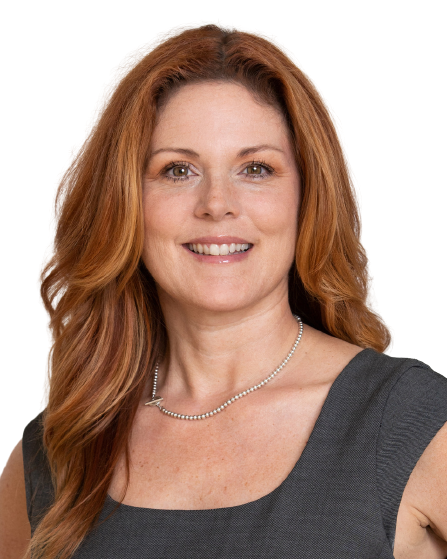

Attorney Haley Matson
Estate Planning & Elder Law Attorney
McIntyre Elder Law
Charlotte, NC


