

North Carolina’s New Electronic Will Storage Law: What You Must Know
Attorney Greg McIntyre
Estate planning law continues to evolve with technology. Recently, North Carolina enacted an important update to its statutes governing wills — specifically addressing electronic storage of wills by attorneys.
While North Carolina still requires traditional execution formalities for a valid will, this new law significantly changes how wills may be stored and revoked when an electronic version exists.
If you have a will — or if you’re an attorney storing wills for clients — this update matters.

Attorneys May Now Create and Store an Electronic Version
Under the new statute, an attorney who supervises the execution of a will may:
Create a secure electronic version of the will
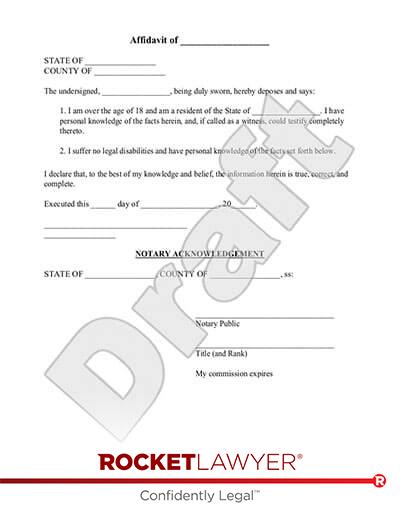
Sign an affidavit confirming the authenticity of that electronic copy
Store the electronic version in secure digital storage
This affidavit essentially certifies that:
The electronic version is a true and accurate copy
The will was properly executed
The attorney has custody of the electronic record
This provides a modern solution to a long-standing practical problem:
What happens if the original paper will is lost, damaged, or destroyed?
Now, if properly stored and supported by affidavit, the electronic version can serve as critical evidence of the will’s contents and validity.
Destroying the Paper Original is No Longer Enough
This is the most important change for clients and attorneys alike.
Traditionally, revoking a will could be done by:
Executing a new will, or
Physically destroying the original with intent to revoke
However, under this new framework:
If an electronic version exists that is stored pursuant to the statute, destroying only the paper original does NOT automatically revoke the will.
Why?
Because the electronic version continues to exist — authenticated by attorney affidavit — and may still be probated.
This creates a significant shift in revocation analysis.
How to Revoke an Electronic Version
If a will has an electronic version stored under the statute, revocation must occur by:
A separate revoking instrument, or
A properly executed new will that expressly revokes prior wills
In other words:
You cannot rely solely on tearing up the paper copy anymore if an electronic version exists in attorney custody.
Clear written revocation becomes critical.
Why This Law Was Needed
Modern law practices increasingly:
Scan executed documents
Maintain secure digital vaults
Use cloud-based client management systems
Without statutory clarity, questions arose:
Is the electronic copy admissible?
What happens if the paper original disappears?
Does destruction of one version affect the other?
This law answers those questions and aligns estate planning with modern recordkeeping realities.
Practical Implications for Clients
If you have executed a will in North Carolina:
Ask your attorney whether an electronic version is stored.
Do not assume destroying your copy revokes your will.
Use formal written revocation if your intent is to cancel it.
If you want to change your estate plan, the safest route is:
 Execute a new will Include clear revocation language Confirm how prior versions are handled
Practical Implications for Attorneys
For attorneys, this statute creates both opportunity and responsibility:
Maintain secure digital storage protocols
Carefully draft and execute the required affidavit
Educate clients about revocation consequences
Update internal procedures and engagement letters
It also raises workflow considerations for firms that centralize document production or use digital drafting platforms.
For firms building modern estate planning systems, this is a reminder that document lifecycle management is now a legal compliance issue — not just an operational one.
The Bigger Picture
North Carolina has not yet adopted full electronic wills execution like some states. However, this storage statute reflects a broader national movement toward:
Digital preservation
Remote execution frameworks
Electronic notarial systems
Statutory clarity for digital records
The law strikes a balance:
Preserve traditional execution safeguards
Modernize document custody
Schedule Your Free Consultation
If an attorney stores an authenticated electronic version of your will:
Destroying the paper original alone may not revoke it.
A separate written revocation instrument is required.
Technology has changed how estate planning documents live after signing — and North Carolina law now recognizes that reality.
If you are unsure how your will is stored or how to properly revoke it, consult with an experienced estate planning attorney before taking action.
Because in today’s world, your will may exist in more than one place — and revoking it requires more than a shredder.
📍 Offices in Shelby, Charlotte, and Hendersonville
📞 Call us at 1-888-999-6600
🌍 Visit our website: www.mcelderlaw.com
Don’t wait until it’s too late—take control of your future today!
Attorney Greg McIntyre
Estate Planning & Elder Law Attorney
Founder & CEO, McIntyre Elder Law
Charlotte, NC


