

Understanding Nursing Home Negligence:
The 4 Elements of a Negligence Claim
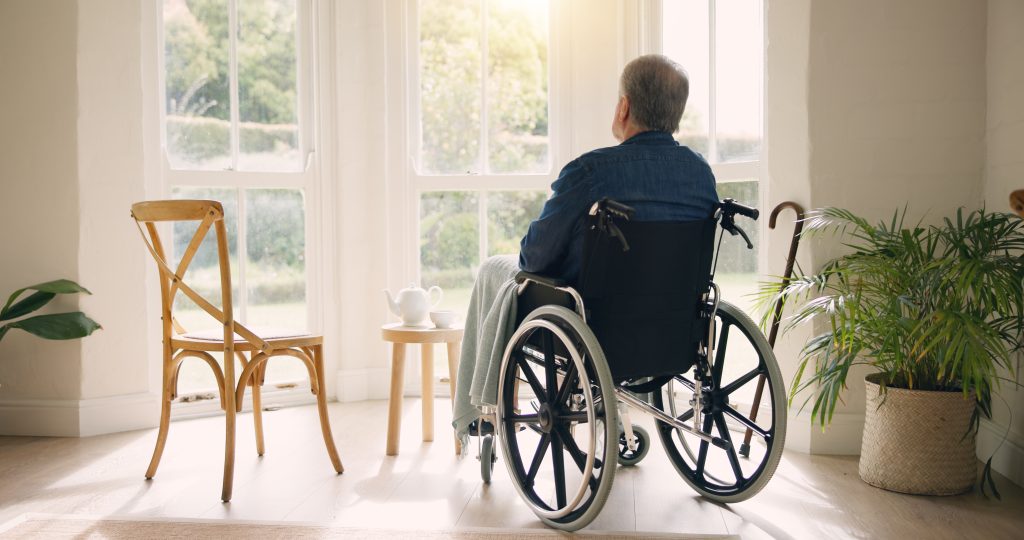
When families place a loved one in a nursing home or long-term care facility, they expect that individual to receive proper care, attention, and protection. Unfortunately, some residents suffer injuries due to inadequate care, unsafe conditions, neglect, or other failures by facility staff. When these situations occur, nursing home litigation may become necessary to hold the responsible parties accountable.
While nursing home lawsuits can involve allegations of elder abuse, neglect, or wrongful death, many cases are built on a legal theory of negligence. A negligence claim focuses on whether the facility failed to meet the standard of care expected of a long-term care provider and whether that failure caused harm to the resident.
To establish a negligence claim against a nursing home or long-term care facility, a plaintiff generally must prove four key elements:
- The facility owed the resident a duty of care;
- The facility breached that duty;
- The breach caused the resident’s injury; and
- The resident suffered damages as a result.
Understanding each of these elements is important when evaluating whether a nursing home may be legally responsible for a resident’s injuries.
1. Duty of Care: The Responsibility to Provide Proper Care
The first step in a nursing home negligence claim is establishing that the facility owed a duty of care to the resident.
Long-term care facilities have a responsibility to provide a safe environment and appropriate care to the individuals who reside there. This duty may arise from various sources, including state and federal regulations, facility policies, contracts, professional standards, and generally accepted practices within the healthcare industry.
Residents of nursing homes are often vulnerable due to age, medical conditions, mobility limitations, or cognitive impairments. Because of this, facilities and their employees are expected to take reasonable steps to protect residents from foreseeable harm. This includes providing appropriate supervision, maintaining safe premises, properly administering care, and addressing known risks.
When a facility accepts responsibility for caring for a resident, it also accepts the obligation to meet the standard of care expected of a long-term care provider.
2. Breach of Duty: When a Facility Fails to Meet the Standard of Care
Once a duty of care has been established, the next question is whether the facility failed to meet that obligation.
A breach occurs when a nursing home does not act in accordance with the level of care reasonably expected under the circumstances. Sometimes, a breach may be obvious. Other times, it may require a detailed review of medical records, facility procedures, staffing decisions, and the circumstances surrounding the resident’s injury.
For example, imagine a nursing home resident has a documented history of falls and requires assistance with mobility. If staff leave a large puddle of water on the floor of the resident’s room and fail to clean it up or warn the resident, the facility may have breached its duty to maintain a safe environment.
In this situation, the issue is not simply that a puddle existed. The legal question is whether the facility failed to take reasonable steps to identify and correct a dangerous condition that could foreseeably harm a resident.
3. Causation: Connecting the Facility's Actions to Injury
Proving that a facility breached its duty is not enough by itself. A plaintiff must also demonstrate that the breach actually caused the injury.
Negligence claims generally require proof of two forms of causation:
- Actual cause: The injury would not have occurred without the facility’s negligent conduct.
- Proximate cause: The injury was a foreseeable result of the facility’s actions or failure to act.
Using the puddle example, suppose a resident gets out of bed, steps onto the wet floor, slips, and suffers a broken hip. The presence of the puddle may have been a direct cause of the fall.
However, the analysis does not end there. The question becomes whether the nursing facility was responsible for creating the unsafe condition or failed to reasonably discover and correct it. Did staff know about the puddle? Should they have discovered it during routine inspections? Did they fail to follow safety procedures?
The answers to these questions help determine whether the facility’s breach was legally responsible for the resident’s injuries.
4. Damages: Proving the Resident Suffered Harm
The final element of a negligence claim is damages.
Even if a facility failed to meet the required standard of care, a plaintiff must show that the failure resulted in actual harm. Damages may include physical injuries, medical expenses, pain and suffering, disability, emotional distress, or other losses recognized by law.
For example, if a resident slipped on a wet floor but landed safely on a pile of pillows without suffering any injury, there may be a breach of duty but no compensable damages.
A negligence claim requires more than proving that something went wrong. The plaintiff must demonstrate that the facility’s failure caused a meaningful injury or loss.
Evaluating a Potential Nursing Home Negligence Case
Nursing home litigation often involves complex questions about the quality of care provided, the responsibilities of long-term care facilities, and whether a resident’s injuries could have been prevented.
A successful negligence claim requires more than showing that a resident was injured. The plaintiff must establish that the facility owed a duty of care, failed to meet that duty, caused the injury, and resulted in damages.
When evaluating a potential nursing home negligence case, a careful review of medical records, facility policies, staffing practices, and the circumstances surrounding the injury is essential. Understanding these four elements provides the foundation for determining whether a long-term care facility may be held responsible for harm caused to a resident.
McIntyre Elder Law is Here to Help
If you believe a loved one may have suffered harm due to nursing home negligence, you don’t have to navigate the questions alone. Understanding what happened and whether the facility may be held responsible is an important first step. Contact McIntyre Elder Law to schedule a free consultation and discuss your concerns and the legal options that may be available to your family.
Visit mcelderlaw.com/scheduling to get started.

Anthony Figueroa
Estate Planning & Elder Law Attorney
McIntyre Elder Law
Shelby, NC


