

The Coming AI Apocalypse and Estate Planning - What You Should Know
Attorney Greg McIntyre
Okay, I know what you’re thinking: “Greg, have you been binge-watching sci-fi movies again?” But stick with me here. Artificial intelligence isn’t just a plot device for Hollywood blockbusters anymore—it’s rapidly reshaping how we live, work, and even plan for our families’ futures. So, what’s the connection between the impending “AI apocalypse” and estate planning? Let’s dive in.
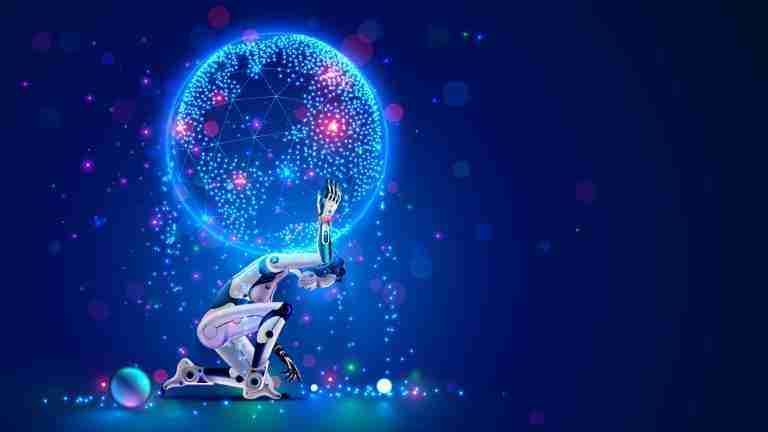
First, the so-called “AI apocalypse” doesn’t necessarily mean robots are coming for our jobs—or us (not yet anyway). Instead, it refers to the profound disruptions and opportunities AI will bring. As estate planning professionals, we must be proactive in understanding how AI impacts assets, privacy, digital legacies, and the very nature of our work.
Let’s break it down:
Digital Assets and AI
Digital assets are already a significant part of modern estate planning. Cryptocurrencies, digital media, social media profiles, and even virtual real estate are becoming common. AI further complicates this by introducing assets that can think, learn, and even evolve autonomously. Who owns the rights to an AI-generated piece of art or a profitable AI-powered tool after you pass? Clear documentation in your estate plan is crucial to defining and protecting your digital legacy.
Privacy and Security
With AI’s rise, privacy becomes a hot-button issue. AI systems have unparalleled access to personal data, meaning your private information—and that of your beneficiaries—could become vulnerable if not properly protected. Estate plans must increasingly account for secure data handling and clearly designate who has rights to manage, access, or delete your digital footprint after death.
Decision Making and AI Executors
Imagine AI as an executor or trustee managing your estate—far-fetched? Maybe not. AI’s ability to impartially enforce directives, manage financial portfolios, and automate distributions could streamline probate and reduce family conflicts. But it also raises ethical and legal questions: Who programs these AIs? How can we ensure fairness and compliance with your wishes? Clear guidelines in your estate documents are essential.
Legacy and Identity Preservation
Here’s where it gets especially interesting (and maybe a little eerie). AI technologies can now create interactive digital legacies—think video chats or text messages with an AI version of yourself after you’re gone. While this offers comfort to some, it presents complex emotional and legal challenges. Should you embrace these technologies, it’s imperative your estate plan clearly outlines who controls, accesses, and has the authority to deactivate such digital legacies.
Professional Evolution
AI isn’t just affecting clients—it’s transforming our roles as attorneys and advisors. Routine tasks may soon be fully automated, allowing professionals to focus more deeply on strategic counsel and complex decision-making. We must embrace these tools, integrate them thoughtfully, and remain vigilant about ethical considerations.
Start or Update Your Plan with McIntyre Elder Law
The “AI apocalypse” in estate planning isn’t a threat; it’s an opportunity to anticipate and adapt. By proactively updating your estate planning documents, clearly defining digital assets, privacy expectations, and management responsibilities, you’ll ensure your legacy remains secure, respected, and precisely as you intended—even in an AI-driven future.
So, are you prepared? The future is already here—let’s plan accordingly.
📍 Offices in Shelby, Charlotte, and Hendersonville
📞 Call us at 1-888-999-6600
🌍 Visit our website: www.mcelderlaw.com
Don’t wait until it’s too late—take control of your future today!
Attorney Greg McIntyre
Estate Planning & Elder Law Attorney
CEO, McIntyre Elder Law
Charlotte, NC


