Reverse Mortgages and Long Term Care Medicaid
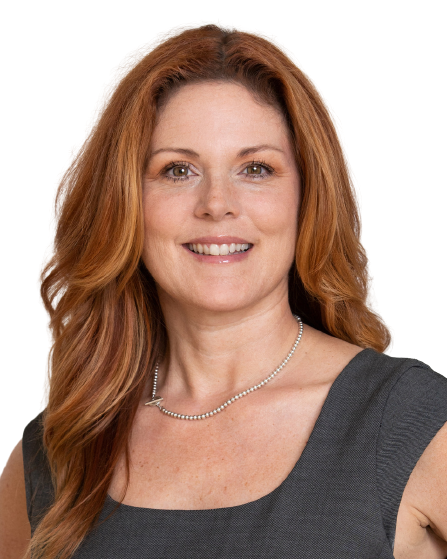
Attorney Jane Dearwester
As elder law attorneys, we get a lot of questions from our clients about how to use reverse mortgages strategically to plan for long term care and associated expenses. This blog explores the basics and definition of reverse mortgages and explains how they can be used to plan for medical and/or long term care expenses.
What is a reverse mortgage?
First, a reverse mortgage is, by definition, a loan where the home is used as collateral to get tax-free cash from the equity of the home without incurring monthly expenses. In order to qualify for a reverse mortgage, you or one owner of the property being offered as collateral must be 62 years of age or older. The home must be your primary residence. Your property must also qualify for a reverse mortgage – and most standard single family dwellings fit the bill – some examples that do not qualify are co-ops, working farms, or investment properties. You must have enough equity in your home, meaning around 40% equity to obtain a reverse mortgage. The equity value in your home is determined by comparing the current appraised value to any outstanding loan balance owed on the home. You must be able to show that you have the financial resources to continue to maintain the property – like property taxes, insurance and the ability to maintain the structure. You may not be delinquent on any federal debt – like student loans or federal taxes. You must obtain counseling from a HUD-certified reverse mortgage counselor. If you have a current mortgage, you must use the reverse mortgage proceeds to pay off the balance so that the reverse mortgage maintains priority and takes a first lien position against your property.
You can receive your reverse mortgage proceeds as a lump sum, you can set it up to receive monthly payments, or it can be used as a line of credit over time. While a traditional mortgage structure has a borrower making payments over time to reduce the loan balance, a reverse mortgage does not require monthly payments toward the principal and the balance actually increases over time. The outstanding loan balance on a reverse mortgage can exceed the value of your home. Homeowners considering a reverse mortgage should understand that if/when the home is eventually sold or the borrower(s) die, they and/or their heirs will not likely receive any proceeds – as the equity is tied up and encumbered by the reverse mortgage.
How or when is a reverse mortgage repaid?
Repayment of a reverse mortgage is due upon a triggering event referred to as a “maturity event.” Maturity events include: death of all borrowers, sale to a third party, the property is no longer used as the primary residence for any borrower, the borrower does not maintain the property as his or her principal residence for a period exceeding 12 months because of physical or mental illness, the borrower fails to keep the property insured or defaults on payment of property taxes, or the borrower is unable to maintain the property and to keep it in good repair.
If a maturity event is triggered, the bank can demand repayment of the reverse mortgage in full, including requiring that the property be sold to repay the loan. When the property is sold, the sales proceeds first are applied towards paying off the reverse mortgage, if there are any remaining funds after paying off the reverse mortgage, they will go to the homeowner.
How does a reverse mortgage help (or hurt) my qualification for long term care Medicaid assistance?
It is important to remember that if you are potentially eligible for government benefits such as Medicaid or veterans benefits, the home is often non-countable for purposes of qualifying for benefits. In other words, you may not have to use up your home equity to pay for long-term care if you qualify for government assistance for long-term care. This is a very common myth or misunderstanding that some people think they cannot qualify for government assistance if they own a home.
A reverse mortgage affects long-term care Medicaid qualification in North Carolina because the loan proceeds, while not counted as income, can become a countable asset if not spent in the same month they are received. This is because Medicaid has strict asset limits (typically $2,000 per applicant) for eligibility. To maintain eligibility, reverse mortgage payments must be spent down in the month they are received or managed carefully.
Impact on Medicaid Eligibility
- Income vs. Assets: The payments from a reverse mortgage are considered loan proceeds, not income, so they do not affect the income limits for Medicaid. However, any portion of the payment that is not spent by the end of the month becomes a countable asset.
- Asset limits: Because Medicaid has low asset limits, unspent reverse mortgage funds can easily cause a person to exceed the asset limit and become ineligible. For example, if a person receives a monthly payment but doesn’t spend it, the remaining balance can push their countable assets above the limit.
- Lump-sum payments: A lump-sum payment from a reverse mortgage is problematic for Medicaid eligibility, as any remaining balance at the end of the month will count towards the asset limit. If the lump-sum is used to payoff an existing mortgage or lien on the property, that can be a good strategy, but otherwise the lump-sum option is unlikely to assist someone who is seeking qualification or retention of long term care Medicaid benefits.
Strategies to Manage Reverse Mortgage Funds
- Line of credit: The most recommended strategy is to use a reverse mortgage as a line of credit. This allows you to withdraw and spend funds as needed throughout the month without affecting your Medicaid or SSI eligibility, as long as the unspent portion is managed carefully.
- Spreading out payments: If you receive a lump sum, you will need a plan to spend it down to meet the asset limit. This may require help from a financial planner and/or your elder law attorney.
- Medicaid Compliant Annuity or Irrevocable Funeral Trust: These can be used to convert a countable asset into a non-countable one, though this is a complex strategy that requires professional guidance.
- N.C. 5-year Look Back Period: Individuals and families who are considering using a reverse mortgage as a tool need to be aware of North Carolina’s 60-month look-back period for gifting assets, which can affect your eligibility if you have made certain transfers of assets before applying for Medicaid.
McIntyre Elder Law
Due to the complexity, it is highly recommended to consult with an elder law attorney and/or a financial advisor to understand how a reverse mortgage will affect your specific Medicaid eligibility in North Carolina.
📍 Offices in Shelby, Charlotte, and Hendersonville
📞 Call us at 1-888-999-6600
🌍 Visit our website: www.mcelderlaw.com
Don’t wait until it’s too late—take control of your future today!
Attorney Jane Dearwester
Estate Planning & Elder Law Attorney
McIntyre Elder Law
Hendersonville, NC