

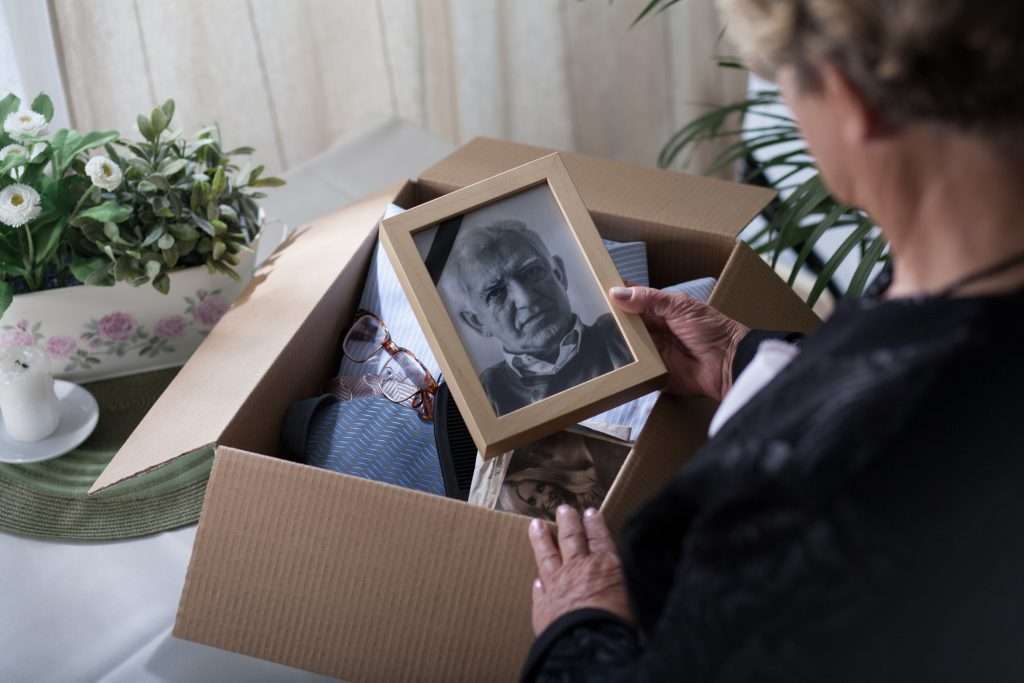
If you are married, it is crucial to understand the intricacies of the state’s elective share statute, designed to protect the rights of surviving spouses. In North Carolina, a spouse cannot be entirely disinherited unless they agree to it. This protective measure ensures that a surviving spouse receives a fair portion of their deceased spouse’s estate.

What is Elective Share?
The elective share is a statutory provision that allows a surviving spouse to claim a portion of the deceased spouse’s estate if they are not adequately provided for in the will. If a surviving spouse is not left an amount equal or greater than the share to which the law entitles them, they can claim the difference through the elective share process. This claim ensures that the surviving spouse receives a fair portion of the estate, reflecting their contribution to the marriage.
Determining the Elective Share
The amount a surviving spouse is entitled to under the elective share based on the length of the marriage, with the maximum entitlement being 50% of the deceased spouse’s estate. The calculation of the elective share is based on the total net assets of the deceased spouse, which includes assets passing both through and outside of the probate process.
Length of Marriage and Entitlement
- Less than 5 years: The surviving spouse is entitled to 15% of the net estate.
- 5 to 10 years: The entitlement increases to 25%.
- 10 to 15 years: The entitlement further increases to 33%.
- More than 15 years: The surviving spouse is entitled to 50% of the net estate.
This graduated scale ensures that longer marriages result in a higher elective share, reflecting the greater economic partnership and mutual contributions over time.
Filing for Elective Share
The surviving spouse has a limited window to file for an elective share – only 6 months from the date the deceased spouse’s estate is opened. It is imperative to act swiftly and consult with an attorney to ensure timely filing of the claim.
Life Estate in Lieu of Elective Share
In some cases, a surviving spouse may opt for a life estate in real property owned by the deceased spouse to live on the property for the remainder of their life. During this time, the surviving spouse is responsible for all expenses related to the property, such as taxes, maintenance and insurance.
Inheritance of Real Property Without a Will
If the deceased spouse dies intestate (without a will), and the real property is not jointly owned by both spouses, the surviving spouse inherits a portion of the property along with any other heirs, typically children. The decedent can leave a will that either excludes the surviving spouse from inheriting real property or only give them a portion of it. If the surviving spouse ends up co-owning the property with another individual, that person can use and occupy the property jointly with the surviving spouse or can force the sale through a partition action.
Conclusion
The elective share in North Carolina Serves as a vital protection for surviving spouses, ensuring they receive a fair portion of the deceased spouse’s estate. Whether through claiming the elective share or opting for a life estate, it is crucial for surviving spouses to understand their rights and act promptly. Consulting with an experienced estate planning attorney can provide the necessary guidance to navigate these complex decisions and secure one’s financial future.
Ready to plan for the future?
McIntyre Elder Law is offering free consultations to discuss your estate planning and elder law needs. Call us at 1-888-999-6600 or visit mcelderlaw.com/scheduling.

Brenton Begley, Chief Legal Officer
Estate Planning & Elder Law Attorney


