

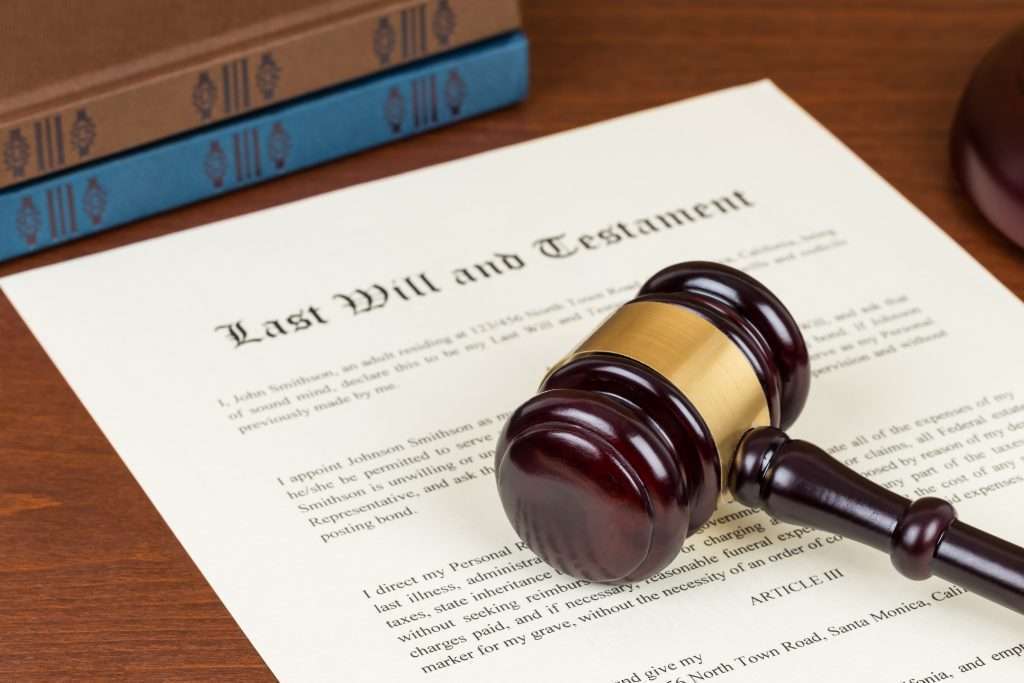
When it comes to estate planning and the validity of a will, North Carolina law provides a structured yet intricate framework. One of the key aspects of this framework is the process of challenging a will through a legal action known as a “caveat.” A caveat proceeding allows certain individuals to contest the validity of a will, and it is crucial for anyone involved in estate planning or dealing with an estate in North Carolina to understand how it works.

What is a Will Caveat?
In North Carolina, a will caveat is a formal objection to the probate of a will. Essentially, it’s a legal action taken by an interested party who believes that a will should not be admitted to probate for various reasons. This could be because they believe the will is invalid, forged, or was made under undue influence, among other potential issues. The individual filing the caveat proceeding is called the “Caveator” and the person who submitted the will to probate is referred to as the “Propounder”.
Grounds for Filing a Will Caveat
There are several grounds on which a caveat may be filed in North Carolina:
- Lack of Testamentary Capacity: The individual who made the will, the Testator, must have had the mental capacity to understand what they were doing at the time. If it can be proven that the testator lacked the necessary mental capacity at the time the will was created, a caveat may be filed to challenge the validity of the will. Usually attorneys use medical evidence of cognitive decline or dementia to show lack of testamentary capacity.
- Undue Influence: If someone believes that the Testator was coerced or unduly influenced by another party when creating the will, they might file a caveat. This requires evidence that the influence was so significant that it affected the Testator’s free will. In most cases, the Caveator will have to show that the Testator was kept separate from the rest of the family and was susceptible to rely and depend on the person exerting undue influence.
- Fraud: A caveat can be filed if it’s believed that the will was procured through fraudulent means. This might involve deception about the contents of the will or misrepresentation about the nature of the document.
- Forgery: If there is evidence that the will is not genuine or was forged, a caveat may be filed.
- Improper Execution: North Carolina law requires that a will be signed and witnessed in a specific manner. If a will does not meet these legal formalities, it may be contested.
Filing a Caveat: The Process
There are several grounds on which a caveat may be filed in North Carolina:
Improper Execution: North Carolina law requires that a will be signed and witnessed in a specific manner. If a will does not meet these legal formalities, it may be contested.
Lack of Testamentary Capacity: The individual who made the will, the Testator, must have had the mental capacity to understand what they were doing at the time. If it can be proven that the testator lacked the necessary mental capacity at the time the will was created, a caveat may be filed to challenge the validity of the will. Usually attorneys use medical evidence of cognitive decline or dementia to show lack of testamentary capacity.
Undue Influence: If someone believes that the Testator was coerced or unduly influenced by another party when creating the will, they might file a caveat. This requires evidence that the influence was so significant that it affected the Testator’s free will. In most cases, the Caveator will have to show that the Testator was kept separate from the rest of the family and was susceptible to rely and depend on the person exerting undue influence.
Fraud: A caveat can be filed if it’s believed that the will was procured through fraudulent means. This might involve deception about the contents of the will or misrepresentation about the nature of the document.
Forgery: If there is evidence that the will is not genuine or was forged, a caveat may be filed.
What Happens Next?
Once a caveat is filed, the probate process is put on hold until the matter is resolved. A will caveat is filed as a special proceeding with the Clerk of Superior Court, and in the process, the matter is then transferred to Superior Court for further proceedings – even a jury trial. There will be an opportunity for an alignment hearing where any and all interested parties may appear and announce to the Court whether they align with the Caveator or the Propounder. If an heir or beneficiary does not appear at the alignment hearing, they will not be able to contest the results of the caveat proceeding at a later date. If the Court ultimately finds that the will is indeed invalid, it will be rejected, and the estate may proceed according to a previous will or North Carolina intestacy laws if no valid will is found.
Implications of Filing a Caveat
Filing a caveat can have significant implications, both for the individuals involved and for the estate. It can delay the probate process and potentially increase the costs of settling the estate. Parties may recoup attorney’s fees from the estate pursuant to a caveat proceeding – so sometimes, the assets of the estate can be drained to cover attorney’s fees if the parties continue a protracted dispute over a long period of time. It’s important to weigh these factors carefully and seek legal counsel to understand the potential outcomes.
Take Action Now!
Understanding will caveats in North Carolina is essential for anyone involved in estate planning or probate proceedings. Whether you are a Testator creating a will or an interested party considering challenging a will, knowing your rights and the legal procedures can help you navigate this complex area of law. If you find yourself in a situation where a caveat might be necessary, consulting with one of our knowledgeable probate attorneys at McIntyre Elder Law can provide you with invaluable guidance and support.
Free Consultation Offer
Ready to take the next step in securing your future? Contact our skilled attorneys at 1-888-999-6600 or book a consultation online at mcelderlaw.com/scheduling.


Jane Dearwester, Elder Law Litigation Attorney
McIntyre Elder Law
Hendersonville, NC


