

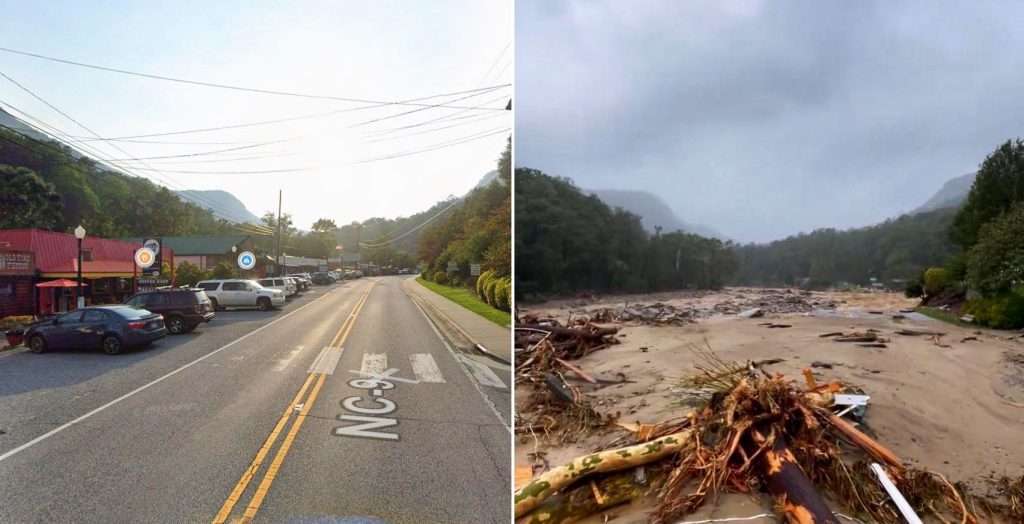
Downtown Chimney Rock, NC – Before and after Hurricane Helene.
On September 27, 2024 and the days and weeks that followed, Hurricane Helene delivered catastrophic damage to the mountains of Western North Carolina and many other nearby areas. Natural disasters like hurricanes, wildfires, floods, and earthquakes not only disrupt our lives but can also have profound implications for your estate plan. In this blog, we will explore how these events can impact your planning and what steps you can take to safeguard your assets and ensure your wishes are honored.

Understanding the Risks
Natural disasters can lead to loss of property, financial instability, and even loss of life. If a disaster damages or destroys your home, it can also affect your estate planning documents and the assets you’ve designated to your heirs. Whether it’s a flood ruining your hard copy documents or a fire destroying your property, being aware of these risks is the first step in mitigating their impact.
Impact on Physical Documents
Many estate plans rely on physical documents, such as wills, trusts, and powers of attorney. If these documents are lost or damaged during a disaster, it can complicate the administration of your estate. It’s crucial to have multiple copies stored in different locations and to consider digital backups. At McIntyre Elder Law, we offer complimentary eDocs online storage and access to all of your important estate planning documents. Storing your documents in a secure, cloud-based service ensures that you can access them even if physical copies are destroyed.
Property Valuation Changes
Natural disasters can drastically alter the value of your assets. For instance, if your home or rental properties are damaged, their market value may decrease significantly. This shift can impact your estate taxes and the way your assets are distributed among heirs. It’s essential to reassess your estate plan after a disaster and adjust valuations accordingly.
It is advisable to contact your homeowner’s or renter’s insurance company after a natural disaster – even if your home and/or property sustained little or no damage – to determine what your policy covers.
Updating Beneficiaries and Trustees
In the aftermath of a disaster, you may find that some of your chosen beneficiaries or trustees are no longer able to fulfill their roles due to their own losses or relocation. Regularly reviewing and updating these designations ensures that your estate plan reflects your current situation and wishes.
Addressing Debts and Liabilities
Financial security comes into focus during a natural disaster. This is why having an appropriate emergency fund in place is advisable – even a few thousand dollars can make a world of difference.
Disasters can also affect your debts and liabilities. If you have outstanding loans on properties that were damaged, your financial situation may change. This can complicate the distribution of your estate and may require you to adjust your estate plan to account for outstanding debts and liabilities.
If you have a mortgage on real property that is FHA insured, it may be subject to a FEMA disaster hold to avoid unnecessary displacement of homeowners during a natural disaster. Please contact your mortgage servicing company for more information. There may also be a temporary hold on evictions for renters in areas affected by a natural disaster.
Consider Emergency Planning
Incorporating emergency planning into your estate plan can help mitigate risks associated with natural disasters. This includes:
- Creating an Emergency Kit: Include essential documents, identification, cash, batteries, a radio and other important information that can help your family in a crisis.
- Establishing an Emergency Contact List: Make sure your loved ones know whom to contact and what to do in the event of a disaster.
- Setting Up a Plan for Your Pets: Include provisions for the care of pets in your estate plan, ensuring their safety during a disaster.
Consulting with Professionals
After a natural disaster, it’s wise to consult with your estate planning attorney to review and possibly revise your estate plan. We can provide insights on how best to adjust your plan based on any changes in your circumstances or state laws that may have emerged following a disaster.
Protect Your Mental Health
Natural disasters can result in destabilization of your mental and physical health. While it is more obvious to most of us to seek treatment for physical injuries sustained in a natural disaster, mental health is equally important. The loss and grief associated with being present during a natural disaster can have long-lasting effects and can take months or even years to process. Please seek help from mental health professionals in your area to assist you with your mental health stabilization and recovery.
Seek Help from Local, State, and Federal Government Agencies
There are various groups at the local, state and federal levels that offer financial and other assistance during natural disasters. These agencies provide free assistance to victims of natural disasters. Please contact these agencies for information and assistance:
FEMA – disasterassistance.gov
Legal Aid of North Carolina – legalaidnc.org
Disaster Unemployment Assistance – des.nc.gov/dua
Don’t Fall Victim to Consumer Scams
Unfortunately scammers use natural disasters to prey on people at their most vulnerable times. Please do not give money to callers or solicitations over text, phone or email without making sure that the organization is a legitimate organization.
Conclusion
Natural disasters can disrupt lives and alter plans in ways we often don’t anticipate. By understanding the potential impacts on your estate plan and taking proactive steps, you can help ensure that your wishes are honored and your loved ones are taken care of. Regularly reviewing and updating your estate plan in light of these risks is not just prudent—it’s essential for peace of mind. Stay prepared, and don’t hesitate to seek professional guidance to navigate these challenges.
Take the First Step Today
Don’t wait until it’s too late. It is never too early to get your affairs in order. For personalized guidance on navigating these options, contact us for a free consultation at 1-888-999-6600 or visit mcelderlaw.com/scheduling. Protect your rights and secure your financial future today.

 Schedule your FREE consultation today!
 1-888-999-6600
  Book online at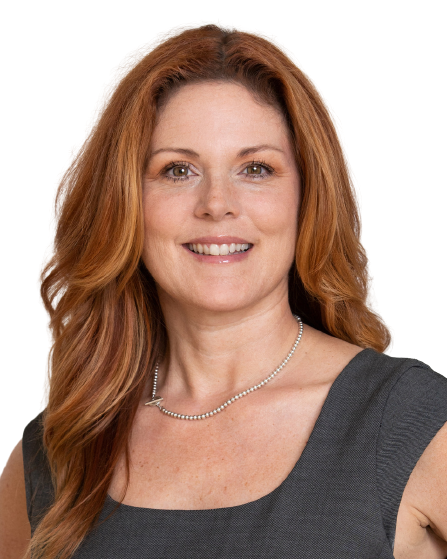
Attorney Jane Dearwester is based in our Hendersonville, NC office. She has over 20 years of experience practicing law in North Carolina. After graduating from Duquesne Law School in Pittsburgh, PA, Jane moved to North Carolina, and later joined our team in 2023.


